
When you’re commissioning a stainless steel structure – whether it’s a conveyor system, architectural cladding, pharmaceutical equipment, or a custom industrial component – you probably want assurance that it will perform as intended, resist corrosion, meet food safety regulations, and last for decades. That’s where standards like EN1090-2 and BSSA (British Stainless Steel Association) best practices come in.
But what do these standards actually mean? Why should you care about them? And what difference do they make to the quality of the equipment you buy? Let’s break it down.
What is EN1090-2?
EN1090 is a European standard that covers the execution (fabrication and assembly) of steel structures. It’s split into several parts, but EN1090-2 is the part most relevant to stainless steel fabrication.
EN1090-2 specifies requirements for:
- Material Selection and Verification – Ensuring the stainless steel grade (304, 316, etc.) matches what was specified
- Fabrication Processes – How the steel should be cut, formed, and prepared
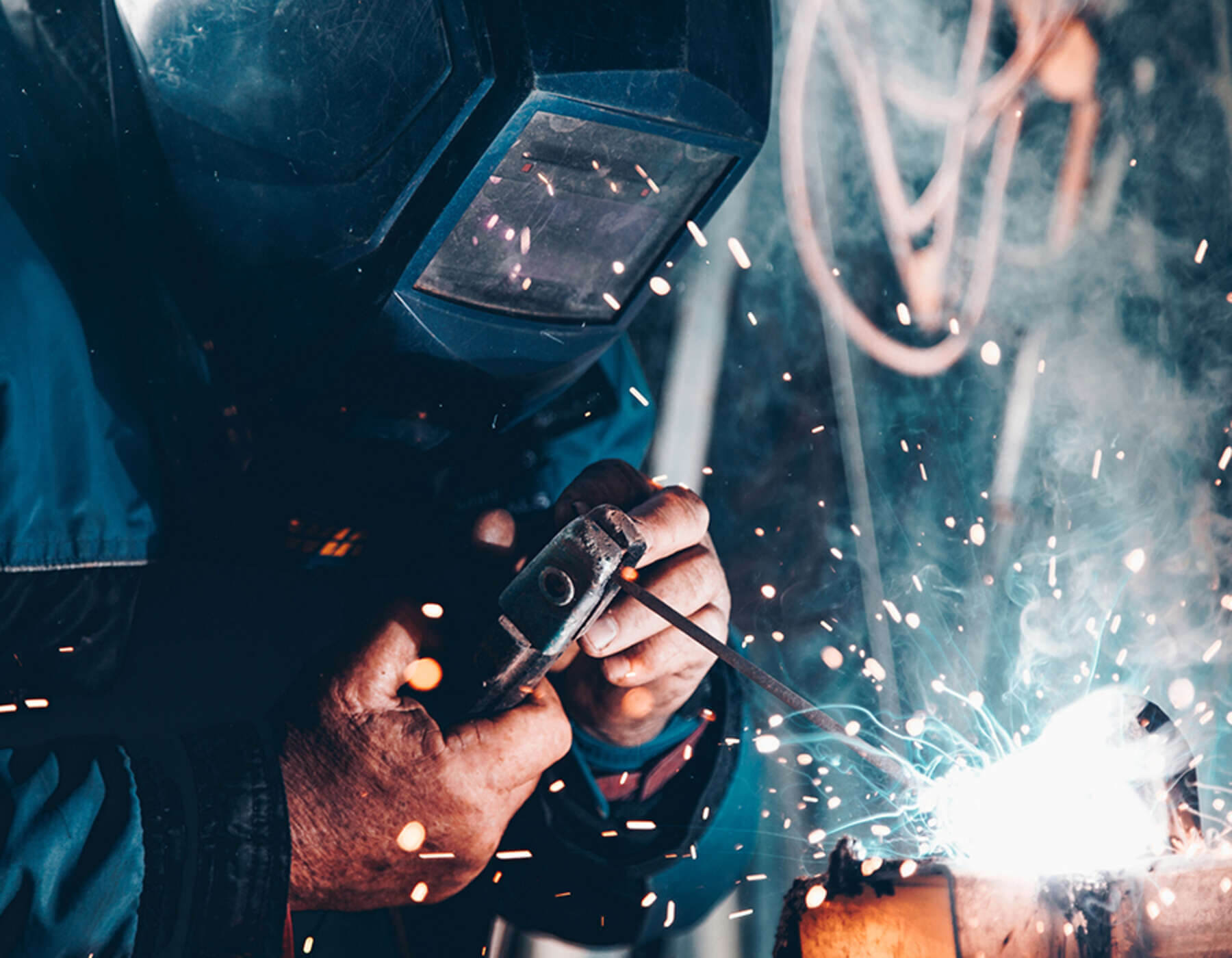
- Welding Quality – Standards for welding processes, welder qualifications, and weld inspection
- Inspection and Testing – The range of quality checks that must be performed during and after manufacturing
- Documentation and Traceability – Maintaining records so you can trace every component back to its source material
Essentially, EN1090-2 ensures consistency, safety, and accountability throughout the manufacturing process. When you buy equipment certified to EN1090-2, you’re buying documented proof that it was made correctly.
EN1011-3: The Stainless Steel Welding Standard
Welding stainless steel is fundamentally different from welding carbon steel. If you get it wrong, you can end up with brittle joints, corrosion at the weld, or contamination that compromises the entire component.
EN1011-3 is the European standard that provides specific guidance on welding stainless steels. It covers:
- Preheat and Interpass Temperature – Stainless needs different temperature management than carbon steel
- Heat Input Control – Too much heat can cause grain growth and brittleness; too little can create weak welds
- Shielding Gas Selection – The right gas mixture prevents oxidation and contamination during welding
- Cooling Rates – How quickly the weld cools affects its properties
- Post-Weld Annealing – Whether additional heat treatment is needed after welding
Fabricators who follow EN1011-3 have trained welders, proper equipment, and documented procedures. This directly translates to welds that won’t fail prematurely and won’t corrode.
BSSA Standards and Best Practices
The British Stainless Steel Association (BSSA) goes beyond the European standards to provide additional best-practice guidance specific to stainless steel fabrication and use.
BSSA standards emphasise several critical practices:
- Contamination Prevention – The most serious threat to stainless steel in service is ferrous contamination (particles of carbon steel or iron that embed in the surface and cause rust spots and corrosion)
- Dedicated Equipment – Stainless steel fabrication should use equipment, tools, and work surfaces designated solely for stainless work, never shared with carbon steel operations
- Surface Preparation – Proper passivation and cleaning to remove any contaminants or oxidation
- Documentation – Full traceability and records proving how the component was fabricated
BSSA guidance is particularly important in food, pharmaceutical, and high-corrosion environments where material integrity is critical to product safety and regulatory compliance.
The Contamination Problem: Why It Matters
Let’s make this concrete. Imagine a stainless steel conveyor system used in a food production facility. The fabricator manufactures it in a workshop where they also work on carbon steel structures. They use the same grinding wheels for both stainless and carbon steel.
Even though stainless steel is corrosion-resistant, tiny particles of carbon steel dust and iron oxide get embedded in the stainless surface during grinding. Over time, moisture and the acidic food environment cause these particles to oxidise and corrode. The rust spreads, creating pits and corrosion sites. Bacteria can hide in these imperfections. You end up with potential food contamination, equipment failure, and regulatory problems.
This scenario – contamination of stainless steel by ferrous particles – is exactly what EN1090-2, EN1011-3, and BSSA standards are designed to prevent.
At MorFabrication, we take this seriously. We operate a dedicated stainless steel manufacturing area with equipment used exclusively for stainless work. We don’t use carbon steel tools or shared grinding equipment. Every step of the process is designed to eliminate contamination risk.
Industries That Depend on These Standards
The stakes are highest in specific sectors:
Food & Beverage – Regulatory compliance demands demonstrated control of contamination risk. FSMA (Food Safety Modernization Act) and UK food hygiene law require stainless steel components to be manufactured to high standards with full documentation.
Pharmaceutical – Equipment contamination can invalidate batch records, trigger recalls, or cause product loss. Pharmaceutical manufacturers demand EN1090-2 and BSSA compliance as standard.
Chemical Processing – Highly corrosive environments mean that any compromise in material integrity leads to equipment failure and leaks. Standards compliance is safety-critical.
Architectural and Structural – High-visibility installations where corrosion or staining would be unacceptable, and where equipment longevity is a key selling point.
Medical Devices – If stainless components are going into implants or medical equipment, they must meet the highest standards of material integrity.
What to Look For When Choosing a Fabricator
If you’re commissioning stainless steel components or equipment, here’s what to check:
- Ask for EN1090-2 and BSSA Compliance – Legitimate fabricators will have this documentation readily available
- Confirm Dedicated Facilities – Do they have a dedicated stainless steel area? Do they use separate tools?
- Check Welder Qualifications – Are their welders trained and certified for stainless steel work?
- Request Material Certs – Can they provide material certificates proving the stainless grade?
- Ask About Passivation – Has the finished component been properly passivated to remove surface contaminants?
Our Commitment to Standards
At MorFabrication, every stainless steel structure we manufacture – whether it’s a bespoke conveyor system, a pharmaceutical equipment skid, or architectural metalwork – is fabricated to EN1090-2, EN1011-3, and BSSA standards.
We maintain a dedicated stainless steel manufacturing facility in Washington, Tyne and Wear. Our team comprises qualified welders and fabricators trained in stainless steel processes. Every component is documented, traced, and inspected to ensure compliance.
When you specify that you want EN1090-2 and BSSA compliance, you’re not asking for something exotic or expensive – you’re asking for the minimum acceptable standard in professional fabrication. It’s the right choice for equipment that needs to perform reliably, resist corrosion, and meet regulatory requirements.
Ready to Discuss Your Project?
If you’re planning a stainless steel fabrication project and want to partner with a fabricator who takes standards seriously, let’s talk.
Call us on 0191 8162718 or email info@morfabrication.com to discuss your requirements. We can explain how standards compliance will benefit your specific project and provide you with detailed specifications and timescales.
Learn more about our metal fabrication services, finishing capabilities, and structural steel fabrication.